5 Bond Cleaning Tips Cairns Tenants Need to Know
Moving out of a Cairns rental and want your full bond back? Most of what determines the outcome isn’t effort — it’s knowing which spots actually get checked, and which ones the local climate makes harder than a generic checklist accounts for. Here are five tips that genuinely make a difference.
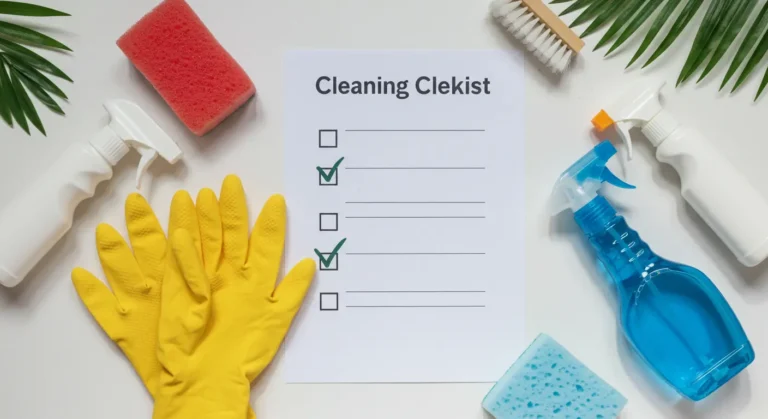
1. Work From a Real Checklist, Not Memory
Cleaning “by feel” is how corners get missed. A property manager compares your property against the entry condition report, room by room — so the safest approach is working through the same kind of list they will.
Commonly forgotten spots:
- Light switches, skirting boards and ceiling fans
- Window tracks and blinds
- Oven trays, rangehood filters and stovetops
- Inside cupboards and wardrobes
- Outdoor areas like balconies or garages
See our full room-by-room bond cleaning checklist for the complete list.
2. Treat the Kitchen and Bathroom as the Priority
These two rooms decide more bond outcomes than anywhere else in the property — and oven grease specifically is consistently the single biggest cause of bond disputes in Cairns. In this climate, grease buildup and mould both establish faster than in cooler cities, so give these areas real time rather than a quick wipe.
- Degrease the oven, racks and rangehood filter properly, not just the visible surfaces
- Scrub grout lines and remove limescale from taps and showerheads
- Treat bathroom silicone for mould, not just surface soap scum
- Clean exhaust fans and under sinks, where mould often starts unnoticed
Why this matters more here: Cairns’ year-round humidity means mould and grease both build up faster than a checklist written for a southern climate accounts for. See our mould removal service if it’s already past a standard clean.
3. Don’t Underestimate What Coastal Air Does to Windows
If you’re in a suburb near the coast — Trinity Beach, the Esplanade, Yorkeys Knob — your windows are collecting salt residue faster than an inland property would. Wiping dry over dried salt can scratch the glass; always rinse thoroughly before wiping. Tracks and sills matter just as much as the glass itself, since that’s specifically where wet-season grit and dust collect.
4. Hire Local Experts When Time Is Short
If you’re moving on short notice, a local team that already knows what Cairns property managers check — and how the climate affects a property — will genuinely save you time and reduce risk, more than a generic national cleaning service would.
5. Do a Daylight Walkthrough Before Handing Back the Keys
Before your final inspection, walk through the property in daylight — artificial light hides streaks and residue that daylight shows up instantly.
- Check mirrors, windows and glass for streaks in natural light
- Look at carpets and corners where dust genuinely collects
- Check bathroom fittings and kitchen appliances for fingerprints or leftover residue
- Photograph every room once you’re satisfied — dated photos are useful evidence if there’s ever a dispute
Frequently Asked Questions
What are the most common areas tenants miss during bond cleaning?
Window tracks, ceiling fans, skirting boards, oven trays and behind appliances — these are consistently the spots that lead to bond deductions when overlooked.
Can I get my full bond back if I clean it myself?
Yes, if the property genuinely meets the standard at inspection. DIY can work, but it typically takes two to three times longer than professional cleaning and carries more risk of missing something.
When should I start cleaning before moving out?
Start at least 2-3 days before your final inspection, so there’s time to fix anything missed or arrange a re-clean if needed.
What’s the best way to avoid bond deductions in Cairns specifically?
Use a proper checklist, remove all personal items, and pay particular attention to mould and grease — both build up faster here than in most other Australian cities because of the climate.
Want a Guaranteed Result Instead?
Every clean is backed by a bond-back guarantee and a free 72-hour re-clean if anything’s flagged — the risk is on us, not you.
Get a Free Quote